RandAqua
Aquaculture

Aquaculture is the farming of aquatic organisms, such as fish, crustaceans, mollusks, and aquatic plants. It’s essentially agriculture in water. This practice is crucial in meeting the growing global demand for seafood while reducing pressure on wild fish stocks. By adopting responsible practices and embracing innovation, aquaculture can continue to play a vital role in meeting the world’s growing demand for seafood. Aquaculture is an approximate aquatic equivalent to agriculture—that is, the rearing of certain marine and freshwater organisms to supplement the natural supply. This includes production for supplying other aquaculture operations, for providing food and industrial products, for stocking sport fisheries, for supplying aquatic bait animals, for stocking fee-fishing operations, for providing aquatic organisms for ornamental purposes, and for supplying feedstocks to the pharmaceutical and chemical industries. The growth of world aquaculture has been stimulated by a number of factors, including population increases, dietary shifts, and advances in aquaculture technology. Limits to the natural supply of ocean resources have also encouraged a growing role for aquaculture in helping to meet increasing demands for fish and shellfish. Fish can consume more protein than other animals and can efficiently convert nitrogen in feed into structural proteins in the body. The higher efficiency of nitrogen excretion in fish is another reason for fish to benefit from a bioenergetic point of view. Fish and other aquatic animals have ammonia (NH3 + NH4 +) as the major excretory nitrogenous product. For mammals (urea) and birds (uric acid) the excretory products are larger compounds. When proteins are oxidized the end product is ammonia, which, in view of its toxicity cannot be allowed to accumulate in body fluids. Whereas in the case of fish ammonia produced can be directly excreted out (mostly through gills) to water, this cannot be so in case of terrestrial animals, and therefore the ammonia produced has to be detoxified by synthesis (energy demanding) of larger molecules such as urea (which is non toxic and can easily dissolve in water and can be excreted in urine in as the case of mammals) and as uric acid in the case birds and reptiles*. The uric acid is a even larger compound than urea:
Key Aquaculture Products
- Fish:
- Salmon
- Tilapia
- Catfish
- Carp
- Cod
- Shellfish:
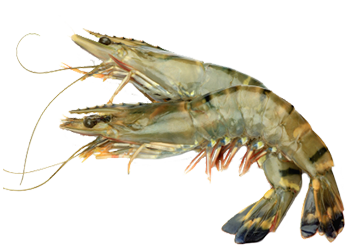
- Shrimp
- Oysters
- Mussels
- Clams
Benefits of Aquaculture
- Sustainable Food Source: Provides a sustainable source of protein.
- Reduced Pressure on Wild Fish Stocks: Alleviates pressure on overfished species.
- Economic Growth: Creates jobs and boosts local economies.
- Product Consistency: Offers consistent supply and quality.
Challenges of Aquaculture
- Environmental Impact: Can lead to water pollution and habitat destruction.
- Disease Outbreaks: Susceptible to diseases that can devastate populations.
- Market Fluctuations: Prices can fluctuate due to market demand and supply.
The Future of Aquaculture
- Sustainable Practices: Implementing eco-friendly methods like recirculating aquaculture systems (RAS).
- Disease Prevention: Developing vaccines and improving biosecurity measures.
- Technological Advancements: Utilizing technology to optimize production and reduce environmental impact.
RandAqua
RandAqua is a company based in Vijayawada, Andhra Pradesh, India, specializing in aquaculture products and services. They primarily focus on providing high-quality feed supplements and healthcare solutions for various aquatic organisms, including fish and shrimp. RandAqua established in 2011 in Vijayawada and expanded our services across India. We manufacture Aquaculture Minerals, Aquaculture Probiotics, Aquaculture chemicals, Aquaculture feed probiotics, Aquaculture feed probiotics, Aquaculture water probiotics, Aquaculture growth promoters.
Our research and development led us to serve our esteemed clients with challenging products such as : Panacea : Prevention and cure for white gut in shrimp. Not just for white gut but it prevents and cures from White muscle, Bends, Loose shell etc., besides all Panacea by RandAqua is a great growth promoter. RandAqua’s another product “Sangoma” is a first ever product that prevents from viruses in shrimp culture. Our products are world class as we mainly use probiotics, natural extracts, edible enzymes etc., Only in case of sanitizers, we use CAA (Coastal Aquaculture Authority) approved chemicals which are not at all affects on human health.
Technology
Aquaculture technology is rapidly evolving, driving innovation and sustainability in seafood production. Here are some of the key technological advancements shaping the industry:
Recirculating Aquaculture Systems (RAS)
-
- Closed-loop systems: Water is continuously filtered and recycled, minimizing water usage and environmental impact.
- Precise control: Allows for precise control of water quality parameters like temperature, oxygen levels, and pH.
- Reduced disease risk: Isolated environments reduce the risk of disease outbreaks.
Integrated Multi-Trophic Aquaculture (IMTA)
-
- Polyculture approach: Combines the farming of different species at different trophic levels.
- Nutrient recycling: Waste from one species is used as food for another, reducing environmental pollution and improving efficiency.
- Biodiversity benefits: Promotes biodiversity and ecosystem health.
Biofloc Technology
- Microbial-based system: Utilizes beneficial bacteria to convert organic waste into protein-rich biomass.
- Improved water quality: Reduces water pollution and enhances water quality.
- Enhanced feed efficiency: Improves feed efficiency and reduces feed costs.
Aquaculture Feed Innovations
- Functional feeds: Enriched with specific nutrients and additives to optimize growth and health.
- Sustainable feed ingredients: Incorporating alternative protein sources like insects and algae to reduce reliance on fishmeal.
- Precision feeding: Automated feeding systems deliver precise amounts of feed, minimizing waste and optimizing growth.
Digital Technologies
- Sensors and IoT: Monitor water quality, feed consumption, and fish behavior in real-time.
- Artificial intelligence: Analyzes data to optimize production and predict potential problems.
- Remote monitoring: Enables remote monitoring and control of aquaculture operations.
Genetic Improvement
- Selective breeding: Develops strains with desirable traits like faster growth, disease resistance, and improved feed efficiency.
- Genetic engineering: Modifies the genetic makeup of fish to enhance specific traits.
By embracing the technological advancements, the aquaculture industry can continue to grow sustainably, meet the increasing demand for seafood, and minimize its environmental footprint.
Services
Aquaculture services encompass a wide range of activities that support the farming of aquatic organisms. These services are essential for the sustainable growth and development of the aquaculture industry. Here are some of the key aquaculture services:
Technical Services
- Consultancy: Providing expert advice on farm design, feed management, water quality management, disease prevention, and other technical aspects.
- Training and Education: Offering training programs for farmers, technicians, and other industry professionals.
- Research and Development: Conducting research to develop new technologies, improve farming practices, and address emerging challenges.
Feed and Nutrition
- Feed Formulation: Developing and manufacturing balanced and nutritious feeds for various aquatic species.
- Feed Testing and Quality Control: Ensuring the quality and efficacy of feeds.
- Feed Delivery and Logistics: Providing timely delivery of feed to farms.
Health Management
- Disease Diagnosis: Identifying and diagnosing diseases affecting aquatic organisms.
- Vaccine Development and Production: Developing and producing vaccines to prevent diseases.
- Therapeutic Treatments: Providing treatments for diseases and parasites.
Water Quality Management
- Water Quality Testing: Monitoring water quality parameters like pH, dissolved oxygen, and salinity.
- Water Treatment: Implementing water treatment techniques to improve water quality.
- Water Supply Systems: Designing and installing water supply systems for farms.
Equipment and Infrastructure
- Farm Design and Construction: Designing and constructing aquaculture facilities.
- Equipment Supply and Installation: Providing and installing aquaculture equipment like pumps, aerators, and feeding systems.
- Maintenance and Repair Services: Offering maintenance and repair services for aquaculture equipment.
Market and Business Development
- Market Research: Analyzing market trends and identifying potential markets.
- Product Marketing and Branding: Promoting aquaculture products and building brand recognition.
- Business Planning and Financial Management: Assisting farmers in developing business plans and managing finances.
Environmental Management
- Environmental Impact Assessment: Assessing the environmental impact of aquaculture operations.
- Sustainable Aquaculture Practices: Promoting sustainable aquaculture practices to minimize environmental damage.
- Waste Management: Implementing effective waste management strategies.